

Whoa! This hit me oddly fast when I first held one. I remember the weight of the card in my palm, a simple rectangle that somehow felt like a very secure idea. At first glance it seemed like a novelty, like a fancy business card. But then I tapped it to my phone and a whole new mental model clicked—secure, portable, and shockingly tangible.
Okay, so check this out—I’ve used seed phrases, metal backups, and the usual hardware bricks. My instinct said those things were fine for most people, and honestly for a long time I agreed. Initially I thought physical keys (paper, metal, engraved steel) were the endgame, but then I realized there are usability tradeoffs that matter more than I gave them credit for. On one hand they resist fire and flood and all kinds of decay; though actually, on the other hand, they tie you to manual processes that humans screw up. I’m biased—I’ve lost a folded seed once—so maybe that colors everything I say here.
Short story: a crypto card feels like cold storage wrapped in everyday ergonomics. Seriously? Yes. The card form factor removes weird steps. You don’t memorize a 24-word seed aloud in a coffee shop, and you don’t have to spend ten minutes soldering a metal plate at the kitchen table. For beginners the learning curve flattens without sacrificing cryptographic guarantees, assuming you pick a card with a proper secure element and audited firmware.
There’s a subtlety though. NFC cards, unlike mnemonic-only backups, must still be treated like high-value physical keys—lost, stolen, or dropped cards are compromised if not protected by passcodes or multi-signature setups. Here’s the thing. A card is only as secure as how you pair it with your operational practices and how the issuer built the secure element. That sentence is longer, but it’s on purpose—because the technical bits matter and they deserve the room to breathe.
The first week with my card I felt liberated. Hmm… I kept it in my wallet next to an old receipt, and each time I reached for it I enjoyed the simplicity. It made me rethink how people actually use crypto on a daily basis; it’s rarely about ultimate theory and usually about habit and convenience. My gut said wallets should be unobtrusive, and the card hit that mark in a way a bulky device never did.
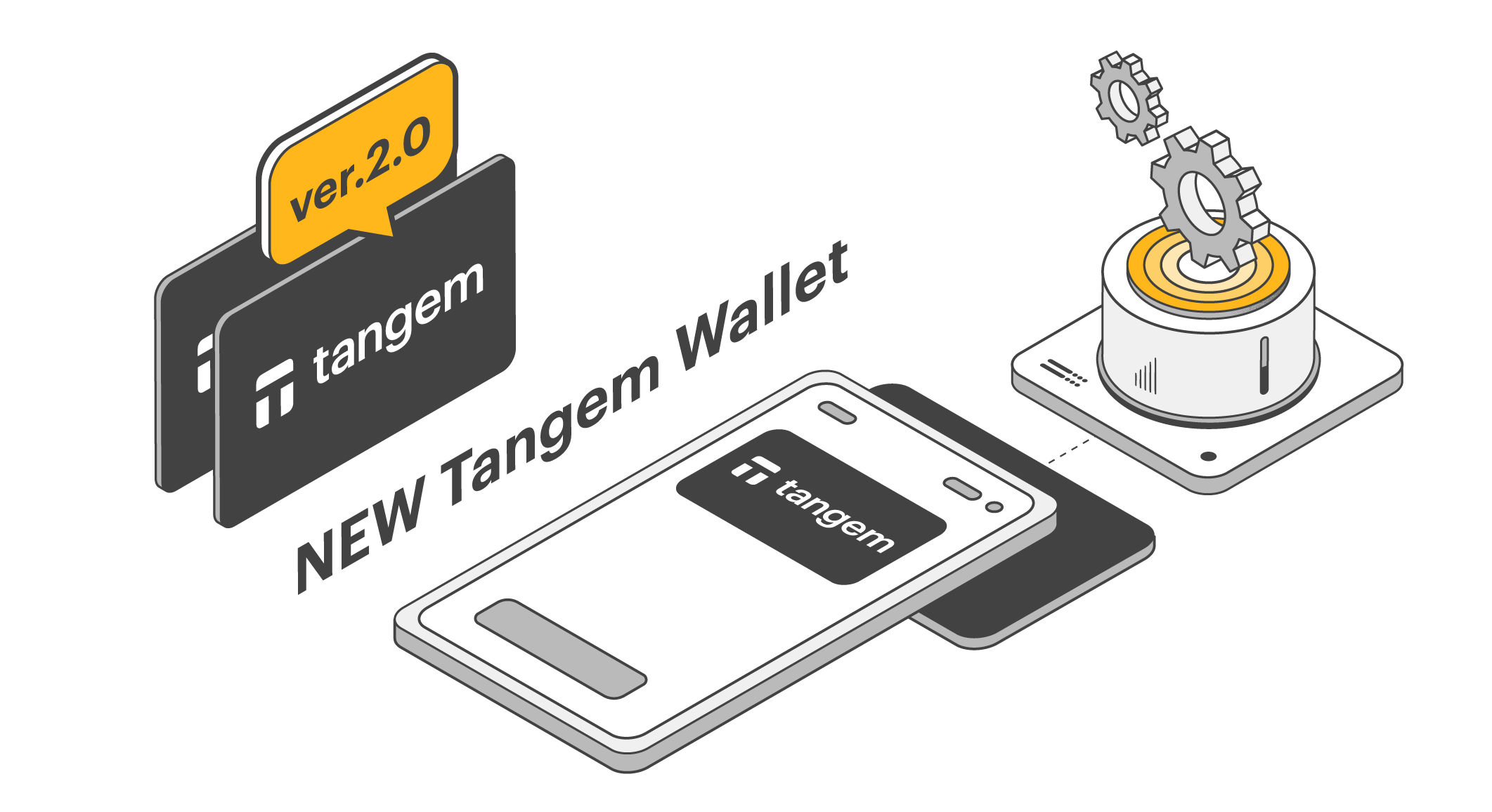
Real-world tradeoffs and why the design matters — tangem wallet
I tested multiple card wallets during a recent trip (oh, and by the way—airport security makes you paranoid), and one name kept coming up in demos and user forums as a reliable option: tangem wallet. The reason is pragmatic—companies that integrate a certified secure element, a minimal attack surface, and clear recovery options tend to avoid the drama. Initially I thought all cards behaved the same, but testing showed differences in pairing UX, firmware update strategies, and even the way NFC permissions are requested by mobile OS’s.
Short pause. Really? Yes—mobile OS quirks are a big deal. For example, Android’s NFC permissions and background read behavior can complicate how you use a card. iOS is more consistent sometimes, though Apple has its own sandboxing that changes the user flow. I’m not writing this as a network-level review; I’m pointing out that the card’s security model doesn’t operate in a vacuum—it lives inside smartphones and human routines, and those are messy.
Design decisions influence the attack surface. A well-designed card keeps private keys inside the secure element and never exposes them to the phone, while poorer designs might allow temporary key material to touch less-secure memory. That clause is important because casual setup mistakes tend to be the vector attackers exploit first. On the other hand, multi-signature schemes and air-gapped cold storage still remain superior for high-value holdings, though they require a much higher knowledge bar to use correctly.
Here’s what bugs me about some marketing around cards: vendors brag about “no seed” or “no recovery phrase” as if that implies zero responsibility. Sorry, but responsibility is just shifted. If there’s no phrase, recovery often relies on vendor-cloud backups, a single-use backup card, or complex social recovery. Some of those are fine, some are alarming. I’m not 100% sure which is best for everyone; it’s a spectrum and you should pick based on threat model.
Let me give a concrete scenario. You store 3–4 cards across trusted locations—safe deposit box, a home safe, a close family member. That setup resists casual loss and a single point of failure. Alternatively, you use a single card wrapped in passphrase encryption plus a secondary cold-wallet (a hardware device) for high-value transactions. Both are valid paths, and the right choice depends on how much you move your assets, how complex your life is, and whether you want to introduce human redundancies.
One technical caveat: counterfeit or cloned cards exist in the wild. Be suspicious of ridiculously cheap offers and always verify vendor provenance. There’s a reason certified secure elements and third-party audits cost money. On the other hand, trusting a big vendor blindly is its own risk—supply-chain attacks happen, and concentrated trust can fail spectacularly.
System thinking time—initial impressions versus deeper reality. Initially I thought faster adoption would be just about marketing; but then I looked at user flows and regulatory touchpoints and realized the ecosystem friction is real. Wallets have to balance KYC pressure, firmware update cadence, and user privacy. Some card manufacturers aim to be privacy-first, while others prioritize restore convenience and may provide recovery services for a fee (which sounds nice until you consider the social and legal complexities).
There are a few practical tips I’d pass along. First, treat the card like cash or a passport. Short. Don’t flash it. Second, test recovery procedures in a low-stakes environment—mock a loss and see how the process really works. Third, consider pairing a card with a multisig configuration if you hold significant funds. And fourth, document your storage strategy in a way that a trusted executor could understand—simple is better when pressure mounts.
I’m also a fan of hybrid approaches. For day-to-day spending or small amounts, a card gives fast, secure convenience. For long-term holdings, combine cards with geographically distributed backups and a separate cold device for larger transactions. That way you avoid single-point-of-failure logic, though you’ll accept slightly increased complexity in return for resilience.
Some features matter more than flashy extras. Secure element certification, open-source or audited firmware, clearly documented recovery options, and a transparent supply chain top the list. UI polish is nice but secondary. If a vendor hides how they handle firmware updates or key generation, walk away. You don’t need every feature; you need trust in how those features were engineered and validated.
Common questions people actually ask
Can a card replace a traditional hardware wallet?
It depends on your use case. For many users a card can replace a bulky hardware device for daily interactions and low-to-medium holdings, offering better convenience while maintaining strong cryptographic protections. However, for large portfolios or high-threat scenarios (targeted attackers, state actors), traditional air-gapped, multi-sig setups still provide superior defense in depth.
What about durability—will the card break?
Cards are surprisingly durable but not invincible. They resist bending and everyday wear, but extreme heat, mechanical attacks, or water exposure can damage the NFC functionality. For critical backups, consider duplicating keys across multiple secure media (metal plate for mnemonic, secondary card, etc.).
Are these cards good for travel?
Short answer: yes, with cautions. Cards are compact and easy to carry, but traveling introduces new risks—loss, confiscation, or misunderstanding by local authorities. Consider splitting holdings or using unobtrusive carriers, and keep recovery plans accessible to a trusted person if you travel frequently.
Final thought—well, not that kind of final, but a closing reflection: these cards made me rethink common assumptions about cold storage. They don’t erase hard tradeoffs; they redirect them into forms humans can actually manage. If you want a balance of convenience and security that fits into a wallet with your driver’s license, card wallets are worth a serious look. I still keep metal backups for my highest-value keys, and I recommend you do something similar if you value longevity and redundancy. Somethin’ about handling things physically just sticks with you more than an encrypted file on a cloud drive.
